Understanding Heat Logs: What They Are and How They Work
Heat logs are a modern and efficient alternative to traditional firewood, designed to deliver high-quality heat while minimizing environmental impact. Typically composed of compressed sawdust, wood chips, or other biomass materials, heat logs undergo a manufacturing process that involves drying and compacting raw material into dense, uniform shapes. This process not only enhances their energy density but also contributes to their lower moisture content, which is crucial for achieving optimal combustion.


![[Fast-Drying Pet Feeding Mat] Splash-Proof, Absorbent, Easy to Cl...](https://m.media-amazon.com/images/I/41Lj5J43BgL._AC_.jpg)
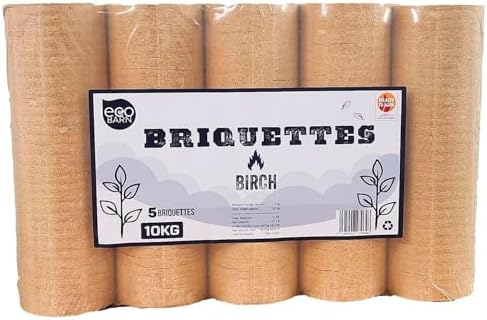
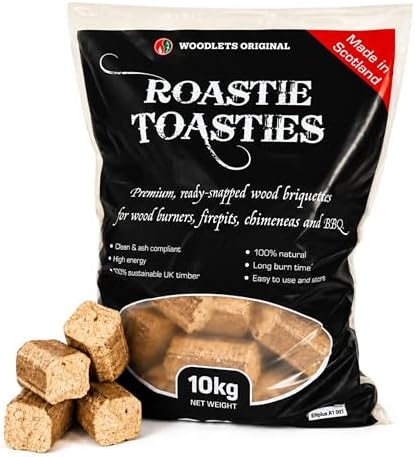


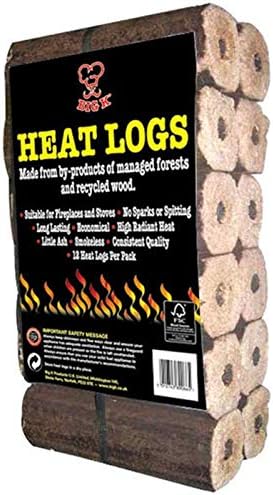
The combustion science behind heat logs is rooted in their composition. Unlike conventional firewood that often contains varying moisture levels and impurities, heat logs are manufactured to ensure a consistent burning experience. This uniformity leads to more efficient heat production, allowing users to generate greater warmth from a smaller volume of fuel. As a result, households can rely on fewer logs to achieve the same level of heating compared to traditional logs.
Using heat logs rather than traditional firewood presents several significant benefits. Firstly, heat logs have a considerably lower moisture content, often below 10%. This factor is pivotal, as the reduced moisture leads to quicker ignition and a cleaner burn, emitting fewer harmful substances into the air. Additionally, heat logs produce a higher calorific value, which translates into better energy efficiency. Consequently, users can enjoy longer burn times and more heat output with less frequent reloads.
Moreover, the eco-friendly nature of heat logs is increasingly significant, as they tend to generate fewer emissions during combustion compared to conventional firewood. This aspect makes heat logs a more sustainable choice, aligning with growing concerns over environmental impact and air quality. Thus, understanding the benefits and functionality of heat logs can help consumers make informed decisions when it comes to choosing their fuel for heating solutions.
Key Factors to Consider When Selecting Heat Logs
When choosing the best heat logs for your heating needs, several critical factors should be evaluated to ensure that you make an informed purchase. One of the primary considerations is the type of wood used in the heat logs. Different species of wood vary greatly in their burning characteristics. Hardwoods such as oak and beech generally offer higher heat output and longer burn times, whereas softwoods may ignite quickly but burn faster and typically provide less heat. Knowing the specific wood type can affect your overall heating efficiency and cost-effectiveness.
Another important criterion is the density of the logs. Denser logs tend to have a higher energy content, which results in a longer burn duration and better heat retention. The energy output from heat logs should be carefully compared, as denser logs can often provide more value for money in terms of heat production per log. This aspect is essential for individuals looking to maximize their heating performance.
The moisture content of the logs is also a significant factor, as it directly influences combustion and heat output. Ideally, heat logs should have a moisture content of less than 20%. Higher moisture levels can lead to poor burning efficiency, excess smoke, and increased emissions. Buying seasoned logs can help ensure that you are investing in quality heat logs that will burn effectively.
Lastly, consider certification standards such as ENplus or FSC certification. These certifications assure that the logs meet specific quality and sustainability benchmarks, providing peace of mind regarding environmental responsibility. Selecting certified heat logs not only contributes to a more sustainable choice but also often ensures better performance and safety in usage.
Comparative Analysis of Different Types of Heat Logs
When selecting the best heat logs for burning, it is pivotal to understand the distinctions between various types available in the market. The choice often narrows down to hardwood heat logs versus softwood alternatives, each presenting unique advantages and disadvantages.
Hardwood heat logs, composed of denser materials such as oak or beech, generally provide a longer burn time and higher heat output compared to their softwood counterparts. This makes them an appealing option for users seeking sustained warmth, especially in colder climates. Additionally, hardwood heat logs tend to produce less smoke, leading to a cleaner burn which is a significant consideration for those conscious about air quality.
On the other hand, softwood heat logs, typically made of pine or spruce, ignite quickly and yield a high initial flame. This can be particularly advantageous for users looking to start a fire rapidly. However, softwoods usually burn faster and may require more frequent refueling. Furthermore, they can produce higher volumes of smoke and creosote, which raises concerns about chimney maintenance.
Customer reviews often highlight the effectiveness of different brands of heat logs. For instance, logs that are marketed as premium quality or specifically dried tend to receive favorable feedback regarding their energy output and combustion efficiency. Expert recommendations also lean towards brands that emphasize sustainability, with wood sourced from managed forests. This aligns with the increasing consumer preference for environmentally friendly products.
In summation, selecting the appropriate type of heat log will depend on personal needs, whether prioritizing extended burn time or rapid ignition. By evaluating the advantages and drawbacks of both hardwood and softwood options, users can make informed choices that fit their heating requirements and environmental values.
How to Store and Use Heat Logs Effectively
To maximize the performance of heat logs, proper storage and usage are essential. Storing heat logs correctly can significantly impact their burning efficiency and longevity. Ideally, heat logs should be kept in a dry, well-ventilated space to prevent moisture absorption, which can hinder combustion. It is advisable to stack heat logs off the ground using pallets or crates to ensure airflow, minimizing the risk of dampness. Also, it is crucial to cover the logs with a waterproof tarpaulin to protect them from rain and snow while allowing air circulation.
When preparing to use heat logs, it is important to ensure that the stove or fireplace is clean and free from ash or soot. A clean-burning appliance will improve airflow, thereby enhancing the heat logs’ burning performance. Additionally, heat logs should be placed in a single layer within the fire, allowing air to circulate freely around them. Avoid overloading the appliance, as this can lead to inefficient burning and increased emissions.
For optimal heating efficiency, use heat logs in conjunction with kindling and natural fire starters. Begin by lighting the kindling or fire starter and then gradually add heat logs once the fire is established. This layering technique allows for a steady increase in temperature, which is vital for burning the fuel efficiently. Utilizing a thermometer to monitor the internal temperature of the stove can also help maintain an effective burn rate.
Safety is paramount when using heat logs. Always ensure that your home has a functional carbon monoxide detector and a fire extinguisher nearby. Ventilation is also important; ensure that the area is well-ventilated while using the logs to prevent the accumulation of harmful gases.
By following these guidelines, users can effectively enjoy longer burn times, enhanced heating efficiency, and a safer burning experience with heat logs.