
Understanding Kiln Dried Firewood
Kiln dried firewood is a type of wood that has undergone a specialized drying process using a kiln to significantly reduce its moisture content. Unlike traditional seasoned wood, which is cut, stacked, and left to dry naturally over a period of time, kiln drying involves carefully controlled heat and airflow to expedite the drying process. This method not only shortens the time required for the wood to reach a suitable dryness level but also ensures uniform moisture content throughout each piece.
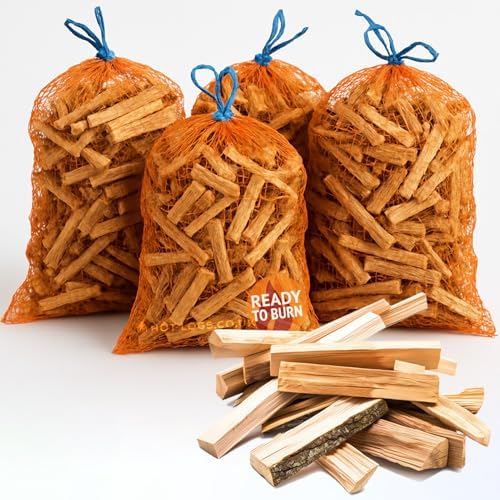
- 10KG BUMPER BOX KINDLING: Stack up with our Natural kindling wood 10kg box. Dry Kindle sticks for making fire in your lo…
- VERSITILE KILN DRIED WOOD: Perfect for all fires including BBQ’s, Camp Fires, Open Fires, Wood Burning Stoves, Log Burne…
- SUSTAINABLY SOURCED READY TO BURN COMPLIANT: Like us, you want to do the right thing for the environment – rest assured …

- 🔥 Ready to Burn Kiln Dried Ash Logs – Professionally kiln dried to achieve low moisture often well below 20% moisture (o…
- 🔥 Longer, Hotter & Better Burning Hardwood – Ash wood is a premium hardwood known for its slow burning nature and high h…
- 🔥 Low Smoke & Cleaner Burn – Designed as smokeless fire logs with reduced sparks and minimal ash, these logs help mainta…

- Kiln-Dried Hardwood: These premium logs are kiln-dried, ensuring optimal burning efficiency and minimal smoke production…
- Woodsure Approved: Certified by Woodsure, guaranteeing high-quality firewood sourced from responsibly managed Welsh wood…
- Versatile Usage: Suitable for wood burners, open fires, stoves, pizza ovens, campfires, and chimineas, providing warmth …
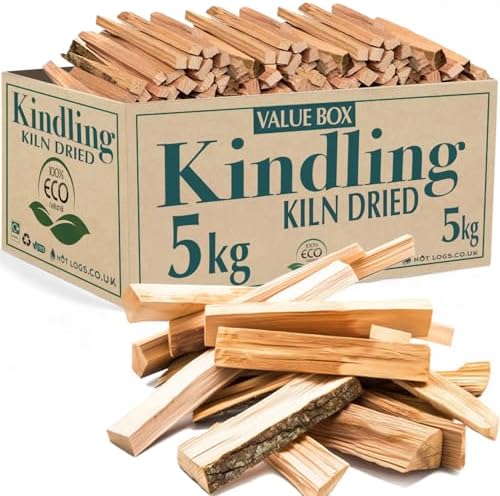
- 🔥 BUMPER 5kg BOX: Stack up with our bumber kindling wood. Dry Kindle sticks for making fire in your log burner, open fir…
- 🪵 VERSITILE KILN DRIED WOOD: Perfect for all fires including BBQ’s, Camp Fires, Open Fires, Wood Burning Stoves, Log Bur…
- ♻️ SUSTAINABLY SOURCED READY TO BURN COMPLIANT: Like us, you want to do the right thing for the environment – rest assur…

- Eco-Friendly Kindling: Made from 100% natural pine and spruce, with no added chemicals, ensuring your fire starts eco-co…
- Quick & Efficient Lighting: Just 2-3 sticks needed to start your fire, kiln-dried to an average of 8% moisture for fast …
- Versatile Use: Ideal for campfires, wood-burning stoves, open fireplaces, and more, providing a reliable start to any fi…
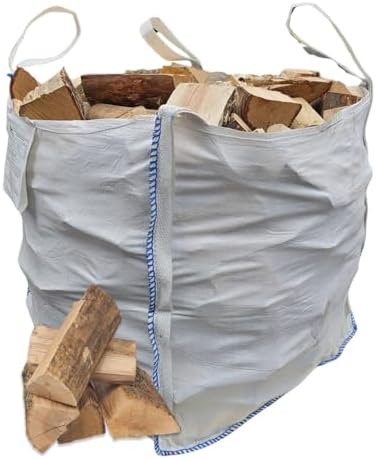
- Kiln-Dried for High Heat Output – Below 20% moisture for hotter, cleaner, and longer-lasting fires.
- Hardwood Firewood – Bulk mix of oak, ash & beech for consistent, efficient burning.
- Generous Dumpy Bag – Bulk delivery of logs, perfect for frequent use in stoves or fireplaces.
The primary distinction between kiln dried firewood and other types, such as fresh-cut or air-seasoned wood, lies in the moisture content. While seasoned wood may have a moisture content ranging from 15% to 25%, kiln dried firewood typically achieves a much lower level of moisture, often under 20%. This reduced moisture level means that kiln dried wood ignites more easily and burns hotter. Additionally, it produces less smoke and creosote, which can accumulate inside chimneys and pose fire hazards over time.
One of the significant benefits of using kiln dried firewood is its enhanced efficiency in burning. Higher efficiency translates to more heat output for the same amount of wood used, making it a more effective fuel choice for fireplaces, wood stoves, and outdoor fire pits. This ability to produce cleaner burns not only contributes to a more pleasant experience but also aligns with environmental considerations, reducing harmful emissions and improving air quality. Overall, understanding the characteristics and benefits of kiln dried firewood provides a solid foundation for selecting the right type of firewood for various heating applications.
Factors to Consider When Choosing Kiln Dried Firewood
Selecting the appropriate kiln dried firewood involves several key considerations that impact both performance and sustainability. One crucial factor is the type of wood. Generally, firewood can be categorized into hardwoods and softwoods. Hardwoods, such as oak, hickory, and maple, are typically denser and, therefore, burn longer and produce more heat. On the other hand, softwoods like pine and fir ignite more quickly but often burn out faster. For those wanting longer-lasting and hotter fires, hardwoods are usually the better choice.
Another important consideration when selecting kiln dried firewood is the size of the logs. Firewood comes in various lengths and diameters, commonly ranging from 12 to 20 inches in length. It is crucial to choose a size that is appropriate for the fireplace or wood stove being used. Oversized logs might not fit well, leading to inadequate air circulation and inefficient burning. Moreover, uniform diameter logs can contribute to a more efficient and consistent burn, making it vital to assess the dimensions offered by potential suppliers.
Additionally, evaluating the reputation of the firewood supplier is critical. It is advisable to seek suppliers known for practicing sustainable sourcing of their firewood. This not only ensures the wood is ethically harvested, but it often translates into higher quality timber. Furthermore, local availability should also be considered, as sourcing local kiln dried firewood can reduce transportation emissions and supports local economies. Being aware of these factors—wood type, log size, supplier reputation, and sustainability—can greatly enhance the firewood selection process, ensuring that users enjoy a safe, efficient, and environmentally responsible burning experience.
Evaluating Quality and Pricing of Kiln Dried Firewood
When selecting kiln dried firewood, understanding its quality is crucial to ensure optimal burning efficiency and satisfaction. One of the primary indicators of quality is the presence of bark. Ideally, high-quality kiln dried firewood should have minimal bark, as excessive amounts can indicate that the wood has not been properly processed. Bark retention can lead to inefficiencies in burning and more smoke production.
Uniformity in size is another critical aspect when evaluating firewood quality. Logs of consistent lengths and thicknesses stack more easily, promote even burning, and facilitate better heat output. A mixed assortment of sizes, on the other hand, can lead to inefficient burning and increased hassle in managing firewood during use. Therefore, when purchasing, inspect the uniformity of the logs to ensure a quality product.
Visual signs of dryness are also paramount. Kiln dried firewood should feature wood that appears light in color and has distinct cracking on the ends, which indicates the moisture has evaporated from the logs. Relying solely on the seller’s claims is not sufficient; conducting a visual examination can offer assurance regarding the wood’s drying status.
Pricing considerations must also be taken into account when purchasing kiln dried firewood. Researching market averages for firewood in your region allows for effective comparisons across different suppliers. Prices can vary significantly based on quality, species of wood, and supplier reputation. It is prudent to compare prices while also factoring in quality indicators, as cheaper prices may not always equate to better value. By focusing on both quality and fair pricing, consumers can ensure they receive the best kiln dried firewood for their needs.
Tips for Storing and Using Kiln Dried Firewood
Proper storage and usage of kiln dried firewood are essential in maximizing its benefits, providing efficiency and safety for your fire needs. This type of firewood is known for its low moisture content, which enhances the burning process, creates less smoke, and produces more heat. To maintain these qualities, it is critical to store the wood correctly.
First and foremost, kiln dried firewood should be stored in a dry, well-ventilated area. Ideally, firewood should be placed off the ground on a stable surface such as a rack or pallets to prevent moisture absorption. Utilizing a cover, like a tarp, can shield the wood from rain and snowfall while allowing for airflow. Additionally, keeping the firewood stack at least 12 inches away from walls aids in promoting circulation, which is vital for maintaining low moisture content.
Optimal stacking methods also play a crucial role. For efficient air circulation, stack the wood in a crisscross pattern instead of tightly packed. This technique not only allows the air to circulate effectively but also accelerates the drying process, ensuring the wood stays dry and ready for use.
When it comes to lighting a fire with kiln dried wood, having the right appliances is important. Whether using a fireplace, wood stove, or outdoor fire pit, ensure that your equipment is designed for wood fire use. Start with small, dry kindling, and place several small pieces of the kiln dried wood on top. A tip to enhance the ignition process is to introduce a few larger logs as the flame stabilizes, maintaining a consistent burn.
Lastly, safety is paramount. Always abide by local fire regulations and guidelines, and never leave a fire unattended. Observing these practices will not only enhance your firewood experience but also ensure a safe environment for you and your family.