Introduction to Briquettes

- Enjoy hassle-free, consistent barbecuing with Homefiire BBQ Briquettes – 4kg. Specially designed for long, steady heat, …
- Made from natural materials with no artificial additives, they burn clean, with minimal smoke and low ash, making cleanu…
- Long-Lasting Burn Time – Homefiire BBQ Briquettes are designed to burn hot and slow, giving you steady heat for longer c…
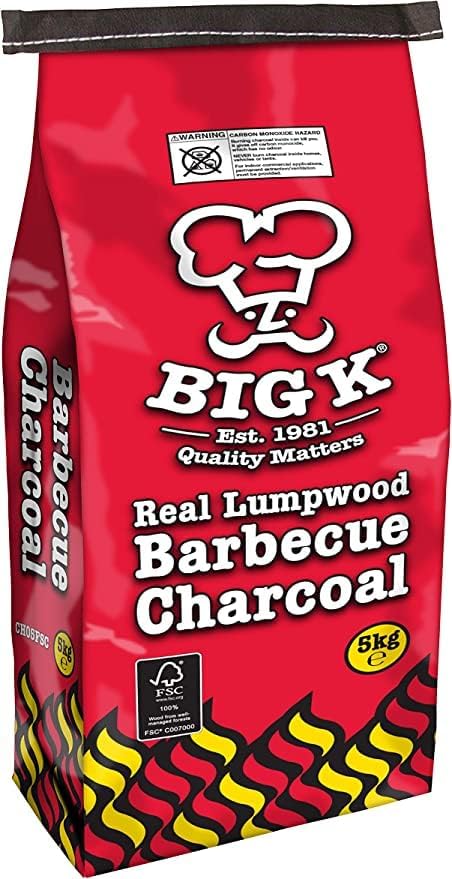
- 100% natural lumpwood charcoal
- Up to 90 minute cooking time
- Quick to light, ready to cook within 30 minutes
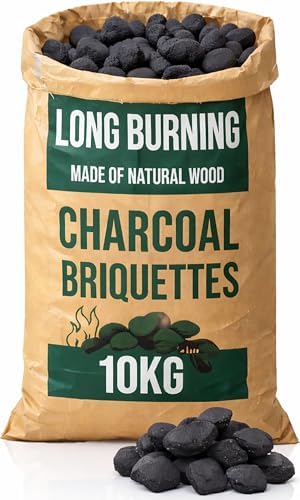
- Premium BBQ Charcoal Briquettes – 1 x 10kg Bag for Long-Lasting Heat & Effortless Grilling!
- BUMPER PACK (10kg BAG): Take your outdoor cooking to the next level with our great-value10kg BBQ Charcoal Briquettes! De…
- LONG BURN & EASY LIGHT – Provides up to 3 hours of steady heat for the perfect barbecue. Quick & Easy to Light – Ready t…

- Big K Charcoal Briquettes 5kg
- Product type: SOLID FIRE FUEL
- Brand: Big K

- SLOW BURN TECHNOLOGY – Our Slow Burn Briquettes, made from high-quality bark, offer a long, slow burn of up 6-8 hours. N…
- ENHANCED FIRE EXPERIENCE – With our Slow Burn Briquettes, you can spend more time savouring the mesmerizing flames and l…
- OPTIMAL MOISTUFRE CONTENT – Our Slow Burn briquettes boast an ideal 8% moisture content, ensuring efficient combustion a…

- 🔥 LONG SLOW BURN: Designed to burn long & slow, these briquettes last up to 8 hours, perfect if you want to concentrate …
- 🌎 SOFTWOOD ECO BRIQUETTES: Each briquette is made from natural pure soft wood bark. They have a low moisture content, (b…
- ✔️ IDEAL FOR BURNERS & STOVES: Because these blocks require so little maintenance, they are a cost-effective solution fo…
Briquettes are compacted blocks of combustible materials, which have gained significant popularity as a fuel source for both indoor and outdoor applications. Typically composed of biomass materials, such as wood dust, sawdust, and charcoal, briquettes are designed to burn longer and more efficiently than traditional firewood. Unlike conventional logs that can be irregular in size and shape, briquettes provide a uniformity that enhances burning consistency.
One of the primary advantages of briquettes over traditional firewood is their high density. This means they are more compact, allowing for easier storage and transport. They often have a lower moisture content, which contributes to a cleaner burning process and reduces the amount of smoke produced. Additionally, many types of briquettes are made from recycled materials, making them an environmentally-friendly option for those looking to minimize their ecological footprint.
Briquettes are frequently used in various settings, including barbecues, fireplaces, and camping stoves. Their ease of use and efficient burning characteristics make them an attractive choice for individuals seeking reliable heat sources. For outdoor enthusiasts, briquettes provide a convenient method of igniting a fire, ensuring steady heat for cooking or warmth during chilly evenings. Conversely, their application in indoor settings, such as wood stoves, showcases their versatility in home heating solutions.
Considering the growing concerns about deforestation and the sustainability of natural resources, many individuals are opting for briquettes as an alternative to traditional firewood. Their increasing availability and efficiency have made them a popular choice among both consumers and businesses, solidifying their place as a staple fuel source in the modern world. As we delve deeper into the specifics of briquettes, it becomes clear why they have become essential for many users in their fire-starting endeavors.
Types of Briquettes
Briquettes are an essential fuel source for various heating and cooking applications, available in several distinct types. Each type has unique characteristics, materials, and specific uses that cater to different preferences and requirements.
One of the most common varieties is charcoal briquettes, predominantly made from compressed charcoal dust, binders, and additives. This type is favored for grilling and barbecues due to its ability to produce high, even heat for extended periods. Charcoal briquettes also ignite relatively easily and maintain a steady temperature, which is essential for cooking foods evenly. However, there are concerns regarding the additives used in some charcoal briquettes, which can produce unwanted smoke and residual chemicals.
Biomass briquettes, on the other hand, are made from organic materials such as agricultural waste, sawdust, and other plant-based resources. They are compressed into solid forms without the use of harmful chemicals, making them a more environmentally friendly option compared to their charcoal counterparts. Biomass briquettes burn cleaner and tend to produce less smoke, which is beneficial for indoor use. Additionally, they are often more sustainable, as they utilize waste materials instead of virgin wood or other resources.
Wood briquettes are produced from pure wood fibers, mainly derived from sawmill residues and wood chips. They are designed for use in various heating appliances and stoves, offering a high heat output with minimal ash production. Wood briquettes are known for their ability to provide a consistent heat source, making them suitable for home heating. Moreover, they contribute less to environmental pollution, as they are typically free from additives and chemicals.
In conclusion, understanding the different types of briquettes—charcoal, biomass, and wood—is crucial for selecting the right fuel source based on specific needs and environmental considerations. Each type has its advantages and disadvantages, which should be evaluated when making a decision for heating or cooking applications.
Practical Uses of Briquettes
Briquettes serve a myriad of purposes in igniting fires, making them a preferred choice for both practical and recreational applications. One of the most common uses of briquettes is in barbecuing. Their compact size and uniform shape facilitate a steady, long-lasting heat, perfect for grilling meats and vegetables. Unlike traditional lump charcoal, briquettes are more consistent in size and burn, leading to more predictable cooking results.
In addition to barbecuing, briquettes are also effective for outdoor cooking scenarios, including fire pits and camping. They produce a hot, stable flame that is ideal for roasting marshmallows or preparing a hearty meal in an outdoor setting. Furthermore, briquettes can be beneficial in heating scenarios; they can be used in stoves that accept solid fuels, making them suitable for supplemental home heating during colder seasons. Their high-density formulation allows for more efficient combustion, which results in maximum heat generation with minimal ash production.
When using briquettes, it is essential to follow safety measures to prevent accidents and ensure a pleasurable experience. Always start with a well-ventilated environment; whether indoors or outdoors, ensuring proper airflow will help in achieving the best burning results. It is advisable to keep flammable materials away from the fire source and handle briquettes with care, using appropriate tools to avoid burns. Storing briquettes in a cool, dry place also contributes to their longevity and effectiveness.
Ultimately, the versatility of briquettes makes them an essential component for various fire-starting scenarios, promoting both practical uses in cooking and heating while encouraging safe practices for optimal enjoyment.
Advantages and Disadvantages of Using Briquettes
Utilizing briquettes as a fuel source for igniting fires comes with a range of advantages and disadvantages. Understanding these factors can significantly aid in making informed decisions regarding fire-starting choices. One of the primary advantages of briquettes is their ease of use. Unlike traditional firewood, briquettes are uniform in size and shape, ensuring that they ignite consistently and burn evenly. This feature simplifies the process of starting a fire and maintaining it, particularly for those who may not have extensive experience with fire management.
Cost-effectiveness is another important consideration when assessing briquettes. They are often less expensive than premium firewood or alternative fuels, making them a budget-friendly option. Moreover, due to their compact nature, briquettes can offer more usable heat in a shorter period, which can lead to reduced fuel consumption over time. In addition, their steady burn rate helps in achieving a more controlled combustion, enhancing their utility in certain applications.
However, there are notable disadvantages to using briquettes that must be considered. Environmental impact is a significant concern; while many briquettes are made from renewable resources, some may contain additives that contribute to air pollution when burned. Furthermore, the production process for certain briquettes can involve carbon emissions, which diminishes their eco-friendliness. Additionally, briquettes typically require adequate storage space to prevent moisture absorption, which can compromise their effectiveness.
In summary, while briquettes offer convenience and cost savings, their environmental effects and storage requirements warrant careful consideration. Weighing these pros and cons is crucial for anyone looking to implement briquettes as a primary fuel source for fire igniting practices.