
Understanding Firewood Types
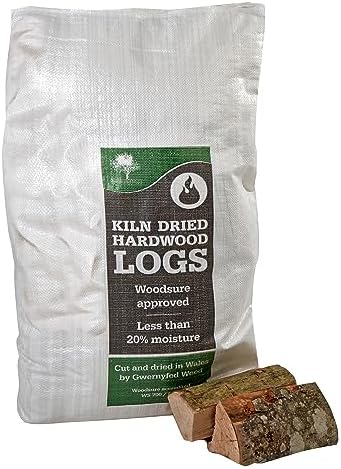
- Sustainably Sourced: Our hardwood logs are harvested from our own woodland in Wales, ensuring responsible and sustainabl…
- Optimal Dryness: Kiln drying reduces moisture content, guaranteeing a consistent and efficient burn with minimal smoke a…
- Jumbo 60L Sack: Each sack contains a generous 60 liters of premium hardwood logs, weighing approximately 18KG, providing…
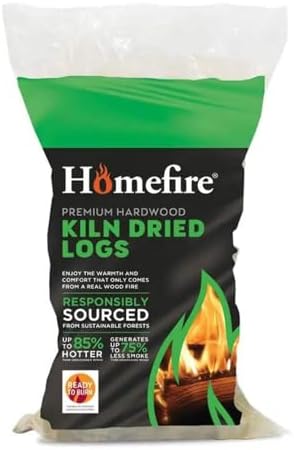
- Kiln-dried to less than 20% moisture content
- Burn at a high temperature with a long and natural flame
- Low smoke emissions make them better for the environment

- KILN DRIED ASH FIREWOOD LOGS – Premium British Ash hardwood, kiln dried to below 20% moisture for exceptional burning ef…
- LONG BURNING & HIGH HEAT – Ash firewood offers one of the best heat-to-weight ratios of any hardwood. Burns evenly with …
- SUSTAINABLE & LOCALLY SOURCED – Carefully selected from sustainable UK woodlands and replenished through our Logpile Lif…

- Sustainable hardwood log net (27L nets)
- Mixed Hardwood species
- Our nets of hardwood are tightly packed.

- Kiln-Dried Hardwood Logs for Efficient Burning: Ecoblaze firewood logs are expertly kiln-dried to a moisture content of …
- Ready to Burn Certified: Clean, Legal & Eco-Friendly: Fully certified under the UK’s Ready to Burn scheme, these logs me…
- Compact 8.5kg Bag with Premium Hardwood: Each bag contains approximately 12–15 responsibly sourced hardwood logs—typical…
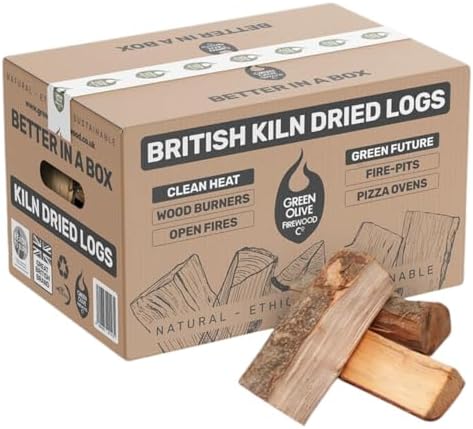
- IGNITE ANY FIRE WITH KILN DRIED LOGS: Our kiln dried logs are expertly crafted to ignite effortlessly and maintain any t…
- MADE IN THE UK, ECO FRIENDLY, SUSTAINABLY SOURCED KILN DRIED FIREWOOD LOGS: These premium kiln dried logs are responsibl…
- LOW SMOKE EMISSIONS FOR A CLEANER BURN: Engineered to produce minimal smoke and particulate emissions, our kiln dried lo…
When it comes to choosing the best firewood, it is essential to understand the different types available, primarily categorized as hardwoods and softwoods. Hardwoods, such as oak, maple, and hickory, are derived from deciduous trees and possess dense wood fibers, leading to high heat output and longer burn times. Oak is renowned for its slow-burning qualities and rich aroma when burned, making it a preferred choice for both heating and cooking. Maple, on the other hand, offers a clean burn and a slightly sweet flavor, particularly valued when grilling or smoking food. Lastly, hickory stands out for its intense heat and distinctive flavor profile, which is why it is extensively used in barbecuing.
Softwoods, including pine and spruce, come from coniferous trees and typically burn faster, offering a quick source of heat. Pine is widely recognized for its resinous characteristics, which can lead to a hotter flame but also produce more creosote buildup in chimneys. As such, it is often recommended for outdoor fire pits or campsites rather than indoor fireplaces. Spruce, while also a softwood, is slightly denser than pine, contributing to a moderate burn rate and adequate heat output. Both softwoods are better suited for kindling or in combination with hardwoods to start fires quickly.
In terms of selection for specific uses, hardwoods are generally favored for wood stoves and fireplaces due to their longevity and heat efficiency. Conversely, softwoods can effectively serve casual outdoor gatherings, where a quick ignition and short burn time are beneficial. By understanding the differences among these types of firewood, individuals can make informed decisions based on their heating needs and cooking preferences.
Evaluating Moisture Content
The moisture content of firewood is a key factor that can significantly influence its burning efficiency, heat output, and overall performance. Efficient combustion requires firewood with low moisture levels, ideally around 20% or less. When the moisture content is high, the wood does not burn as effectively, leading to reduced heat output and increased smoke production. Furthermore, burning wet wood can lead to the formation of creosote, a flammable substance that accumulates in chimneys and poses a fire hazard.
Measuring the moisture content of firewood can be done in several ways. A moisture meter, which provides a quick and accurate measurement, is a practical tool for many. It works by inserting probes into the wood, giving a readout of the moisture percentage. Alternatively, a simpler method involves observing the wood’s appearance and sound. Dry wood tends to be lighter, has a darker color, and produces a hollow sound when two pieces are struck together. If the wood feels heavy and is difficult to split, it is likely still wet.
In the context of heating efficiency, the difference between dry and wet firewood is stark. Wet wood can lead to incomplete combustion, resulting in insufficient heat and more soot and smoke. Conversely, when dry wood is burned, it ignites readily and produces intense heat, making it an ideal choice for both fireplaces and wood stoves. Thus, choosing firewood with optimal moisture content is critical not only for achieving a warm and comfortable environment but also for maintaining the safety and cleanliness of the chimney.
Sourcing Quality Firewood
When it comes to sourcing quality firewood, making informed choices is essential for both the efficiency of your fire and environmental sustainability. One of the most important considerations is ensuring that the wood is seasoned. Seasoned firewood has been dried for at least six months, allowing moisture content to decrease significantly. This process results in more efficient burning, reduced smoke production, and less creosote buildup in your chimney.
When purchasing firewood, looking for local suppliers is highly recommended. Local suppliers are more likely to provide freshly cut and properly seasoned wood, reducing the chances of introducing pests or diseases into your area. Additionally, many local operations support sustainable harvesting practices, ensuring that the firewood you source is environmentally friendly. Consider asking suppliers about their practices concerning replanting and management of their woodlots.
Another practical option is to explore delivery services offered by firewood companies. This can simplify the process of acquiring firewood while allowing you to compare prices and quality without the need to visit multiple locations. Be sure to inquire about options like bundling, which could save you both money and time compared to purchasing smaller amounts individually.
If you’re inclined, cutting your own firewood can also be a rewarding endeavor. This method not only ensures that you have complete control over the type of wood you are sourcing but also offers an opportunity for physical activity and a deeper connection to nature. However, before embarking on cutting your own wood, ensure that you are aware of local regulations or guidelines and practice safe cutting techniques.
Ultimately, sourcing firewood responsibly and sustainably is vital for both your heating needs and the health of the environment. Taking the time to find quality, seasoned wood will enhance your burning experience and contribute positively to sustainable forest management.
Storing and Maintaining Firewood
Once you have acquired firewood, proper storage and maintenance are crucial to ensure its effectiveness and longevity. The primary goal is to keep the firewood dry, as moisture can lead to mold growth and reduced burning efficiency. An optimal storage solution is to utilize a wood shed or a cover that allows for air circulation while protecting the wood from rain and snow. Proper air circulation around the stacked wood is essential to prevent moisture buildup. A good practice is to stack the firewood off the ground, using pallets or platforms, which promotes airflow underneath and around the logs.
In addition to covering the firewood, it is important to position it in a well-ventilated area, ideally exposed to sunlight for a portion of the day. Sunlight can assist in drying any residual moisture, ensuring the logs remain ready for burning. If a wood shed is not an option, consider using a tarp to cover the top of a stack, leaving the sides exposed for airflow. This method protects the logs from direct precipitation while still allowing them to breathe.
Maintaining firewood also involves pest control, as insects such as termites and wood-boring beetles can infest stacks of wood. To prevent such infestations, regularly inspect your stored firewood and, if possible, source wood from reputable suppliers known to offer pest-free firewood. Additionally, rotating your supply is an effective practice; use older wood before newer stacks, ensuring that nothing remains stored for too long. In maintaining proper storage techniques for firewood, the quality of the wood remains high, and it contributes to efficient and enjoyable burning throughout the season.